This guide delves into the significance and design of the Ushpizin poster often seen during the Jewish holiday of Sukkot. The term "Ushpizin" refers to the esteemed guests—both biblical and spiritual—welcomed into the sukkah. These posters not only serve an aesthetic purpose but also embody cultural and religious traditions, offering insights into Judaic symbolism and beliefs associated with hospitality and blessings.
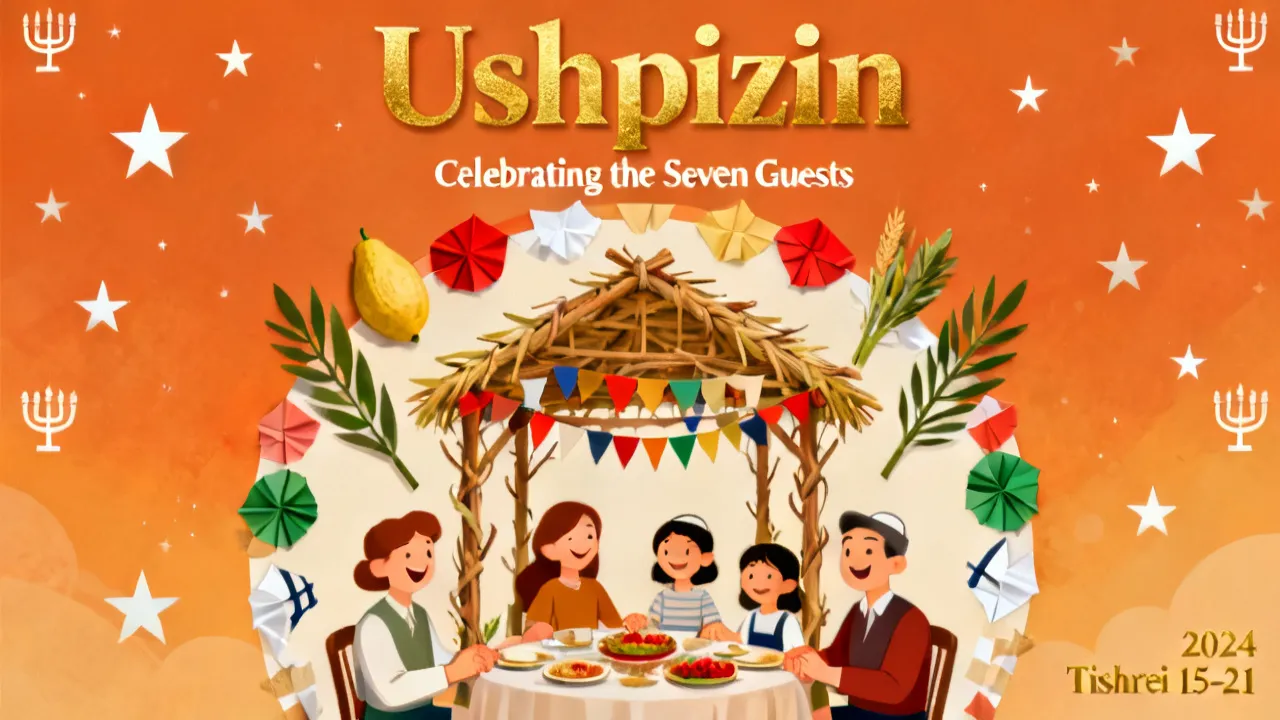
The Ushpizin poster holds a special place in Jewish tradition, particularly during the festival of Sukkot. Rooted in the Aramaic language, "Ushpizin" translates to "guests," representing the seven revered biblical figures—Abraham, Isaac, Jacob, Moses, Aaron, Joseph, and David—who are symbolically invited into the sukkah, a temporary outdoor shelter constructed during the holiday. This tradition not only reflects hospitality but also serves as a poignant reminder of the values and teachings embodied by these ancestral figures, intertwining history, spirituality, and community celebration.
Symbolically, Ushpizin posters invite these eminent guests into the home, each representing different virtues and spiritual aspirations. The presence of these figures is meant to kindle a spirit of reflection, emulation, and hospitality among the celebrants. Each day of Sukkot, a different righteous guest is welcomed, reflecting virtues such as kindness, strength, harmony, perseverance, humility, holiness, and leadership. Abraham represents kindness, embodying the essence of generosity and hospitality. Isaac symbolizes strength, reflecting faith and resilience. Jacob stands for harmony, promoting peace and family unity. Moses represents perseverance through the face of adversity. Aaron personifies humility, showcasing the importance of service to others. Joseph embodies leadership, highlighting the significance of moral integrity, and David signifies holiness, emphasizing the need for devotion and commitment to spirituality. By welcoming these figures into the sukkah through Ushpizin posters, families not only pay homage to their ancestors but also engage in an introspective journey that emphasizes the continuous relevance of these values in modern life.
Typical Ushpizin posters feature elaborate artwork, often including images of the seven Ushpizin, along with vibrant motifs symbolizing the elements of Sukkot. Commonly, these include the etrog (a citrus fruit), lulav (palm branch), hadas (myrtle), and aravah (willow), which collectively form the four species that are central to Sukkot rituals. The design of these posters often incorporates symbolic colors and patterns that correspond to various themes observed during the holiday. For example, the use of green denotes growth and renewal, reflecting the agricultural bounty of the season, while golden hues symbolize light and blessings bestowed upon the celebrants. Artistic representations of the seven guests are crafted with great attention to detail, often showcasing their attributes and stories through visual art, thus deepening the connection between the observant and their historical roots. By integrating these elements into the design, Ushpizin posters become not just decoration, but also educational and inspirational tools that invite deeper reflection on Jewish heritage.
While traditional Ushpizin posters adhere to established depictions of the biblical figures and Judaic symbols, contemporary interpretations have embraced modern design techniques, allowing for personalization and artistic exploration. This blend of tradition and creativity enables individuals to connect with their heritage while expressing personal taste. For instance, some modern posters might incorporate mixed media elements, combining digital art, photography, and traditional painting, while others may highlight themes of multiculturalism, reflecting the diverse experiences of Jewish communities around the world. Artists are increasingly leveraging technology to reach broader audiences and inspire new generations to appreciate and engage with these age-old traditions. The incorporation of contemporary themes also opens discussions about interpretations of the biblical stories, allowing for a dynamic and evolving understanding of their meanings and relevance today. In this way, Ushpizin posters not only preserve history but also encourage dialogue about spirituality, culture, and identity in an ever-modernizing society.
Creating an Ushpizin poster involves understanding the interplay of colors, symbols, and spiritual storytelling. Designers and artisans often utilize a palette that reflects the autumnal hues of Sukkot, such as golds, greens, and yellows, invoking the natural beauty and bounty associated with the harvest season. Effective Ushpizin posters tell a story through their imagery, with each chosen element serving a specific purpose. For example, the etrog might be rendered prominently to signify the sweetness of the holiday and the connection to God. Artwork may also depict natural settings that connect to the themes of agriculture and harvest. Artisans can draw upon historical contexts, using styles reminiscent of different periods in Jewish art, such as illuminated manuscripts or modern abstract interpretations. This layering of artistic influences creates a rich tapestry that can resonate with a broad audience.
Moreover, the design process often involves communal input, with families discussing which elements they feel most connected to and representing their own narratives and traditions. Mental imagery of the guests being welcomed into the sukkah can inspire creative choices, leading to unique interpretations that can shift from purely aesthetic to deeply personal. This collective crafting process reinforces community bonds and enhances the connection to the wider tradition of Ushpizin and Sukkot. The result is a poster that reflects both individual and collective journeys, encapsulating the spirit of hospitality that lies at the heart of the holiday.
Ushpizin posters are more than just decorative items; they are a reflection of Jewish spiritual heritage. These posters serve as a medium to honor significant historical figures, impart important religious teachings, and inspire celebrants to align with the embodied virtues during Sukkot. The artistry associated with creating and displaying Ushpizin posters fosters a sense of community and continuity, allowing families to share in the narratives that have shaped their cultural identity for centuries. As such, choosing or creating an Ushpizin poster represents an opportunity to engage with tradition actively and enrich the celebration of this meaningful holiday. Whether through the vibrant colors, the stories depicted, or the personal connections made, Ushpizin posters encapsulate the spirit of Sukkot, inspiring warmth, gratitude, and reflection during this special time of year.
Beyond the visual aspect of Ushpizin posters, there are rich traditions and practices surrounding Sukkot, which can further deepen one's understanding and appreciation of these artworks. During Sukkot, it is customary for families to invite guests into their sukkah, which mirrors the tradition of welcoming the Ushpizin. This gesture of hospitality is vital, as it symbolizes the embrace of not only historical guests but also friends and neighbors. The act serves to strengthen community bonds and encourage connections that promote warmth and support among individuals.
Understanding the historical context in which the Ushpizin are presented can add layers of meaning to the celebration. The concept of welcoming guests is rooted deeply in Jewish values, with teachings from rabbinic literature emphasizing the importance of hospitality as an ethical and moral duty. Each biblical figure also represents a specific narrative in Jewish history that can be explored in more detail, for instance, the teachings of Abraham and his foundational role in the covenant, or the leadership of Moses and the Exodus story. Learning about these figures can inspire contemporary actions and ethical considerations in daily life today.
Engaging with the community during Sukkot often entails hosting meals under the sukkah, sharing stories, and holding discussions that reflect on the significance of the holiday. These gatherings can provide a platform for exchanging ideas about how to embody the values represented by the Ushpizin in a modern context, encouraging individuals to think critically about their roles in nurturing a communal spirit of kindness and support.
The interplay between personal reflection and group dynamics during Sukkot can also be captured through artistic endeavors, such as creating personalized Ushpizin posters together. Community workshops that focus on poster design and creation can serve as bonding experiences, where participants not only create unique artworks but also engage in discussions about the meanings behind these biblical figures and how they can be manifested in everyday life. This interaction fosters creativity and allows for the infusion of diverse perspectives, enhancing the cultural richness of Jewish artistic expressions.
As the exploration of Ushpizin gains traction in contemporary discourse, more attention is being drawn to various interpretations and representations across different cultures. With the increase of cross-cultural dialogue, discussions about the Ushpizin can recognize parallels in hospitality traditions found in other cultures during harvest festivals globally. By drawing connections between the values underlying these practices, Jewish communities may find opportunities for interfaith cooperation and communal learning experiences, enriching collective cultural experiences.
This growing conversation encourages an enthusiasm for capturing the spirit of unity and shared humanity during celebrations. Engaging with other communities presents a chance for Jews to share their insights on the significance of Sukkot and Ushpizin and learn about counterparts in varied cultures who celebrate similar themes of harvest and gratitude. Thus, Ushpizin not only symbolize Jewish tradition, but they also epitomize a shared human appreciation of fellowship, service, and the cyclical nature of life.
In recent years, the advent of technology and social media has offered innovative platforms for the celebration of Sukkot and the sharing of decided traditions surrounding Ushpizin. Platforms such as Instagram, Pinterest, and Facebook have become popular mediums for individuals to showcase their Ushpizin posters, share design ideas, and discuss personal interpretations of the holiday's significance. This digital engagement allows Jewish traditions to reach a wider audience, creating a global connection of those who share a passion for the values represented in Ushpizin.
Moreover, technology provides exciting opportunities for virtual gatherings and events during Sukkot. Online workshops can be offered to guide families in the creation of Ushpizin posters, emphasizing the importance of community even when physical gatherings may not be possible. These digital spaces facilitate interaction, fostering a sense of belonging and activism that encourages continuity despite geographical barriers. Engaging with the broader community in this manner further revitalizes the practice of inviting guests and creates new avenues for cultural exchange and spiritual exploration.
As we delve deeper into the cultural significance of Ushpizin posters, it is essential to recognize their evolving nature within the context of Jewish identity and cultural expression. Ushpizin posters hold within them a rich tapestry of history, symbolism, and artistry that transcends the mere act of decoration. They possess the power to inspire connection, foster community, and celebrate Jewish heritage in all its vibrancy.
Looking ahead, it is crucial to continue exploring the myriad ways in which Ushpizin can be celebrated, interpreted, and intertwined with contemporary and traditional practices. Engaging in conversations about the roles of the Ushpizin in our lives today will ensure that future generations not only understand their significance but also feel empowered to continue the tradition in their unique ways. Furthermore, honoring the spirit of hospitality and the diverse expressions that characterize Jewish life can lead to a more inclusive appreciation of cultural diversity and shared human experiences.
In embracing both the historical significance and personal resonance of Ushpizin posters, we actively participate in weaving the ongoing narrative of Jewish identity, community, and spirituality. As each Sukkot approaches, the excitement to welcome the Ushpizin—whether depicted in art, stories, or communal gatherings—reminds us of the values of generosity, resilience, and connection that continue to shape our lives.
Thus, Ushpizin posters will remain a meaningful symbol in Jewish tradition, inspiring reflection and participation throughout the festival of Sukkot and beyond, ensuring that the virtues of our ancestors continue to guide us in our everyday lives.
Striking the Perfect Balance: Navigating Premiums and Out-of-Pocket Expenses in Senior Insurance Plans

Explore the Tranquil Bliss of Idyllic Rural Retreats

How to Make Lasting Memories at Disneyland Attractions

Affordable Phones and Plans for Seniors

Affordable Full Mouth Dental Implants Near You

Unlock the Top Kept Secrets to Finding Your Ideal Dentist for Flawless Dental Implant Results!

Discovering Springdale Estates

Unveiling RS Sul Telecom Services

The Guide to Car Trading

Exploring Themes of Obasan
"Obasan 2012" revisits the complexities of identity, trauma, and memory through the lens provided by the novel. The work reflects on significant historical events and cultural nuances inherent in the Japanese Canadian experience. In examining these themes, it fosters a deeper understanding of heritage and individual narratives shaped by past injustices and reconciliations. The analysis extends beyond literary critique, offering insights into sociocultural dynamics and historical contexts.

Unraveling the Shogun Assassination Arc
Delve into the intricacies of the Shogun Assassination Arc, a pivotal storyline within the acclaimed anime series Gintama. This arc captures an intense narrative filled with political intrigue, complex character development, and breathtaking combat sequences. It is renowned for its strategic depth and emotional resonance, leaving an indelible mark on fans and the anime industry alike.

Unveiling the Shogun Assassination Arc
The Shogun Assassination Arc significantly impacts storytelling in contemporary Japanese culture, encapsulating themes of politicking and martial prowess during the Edo period. Exploring its intricate narrative gives insights into traditional Japanese values and modern reflections of power and leadership.

Understanding the Significance of Ushpizin Posters
Ushpizin posters hold cultural and religious significance in Jewish communities, especially during the festival of Sukkot. These posters often feature biblical figures, symbols, and prayers, serving as a decorative and spiritual focal point inside the sukkah. Their history is deeply rooted in tradition, evolving over time with intricate designs that continue to captivate and inspire worshipers today.
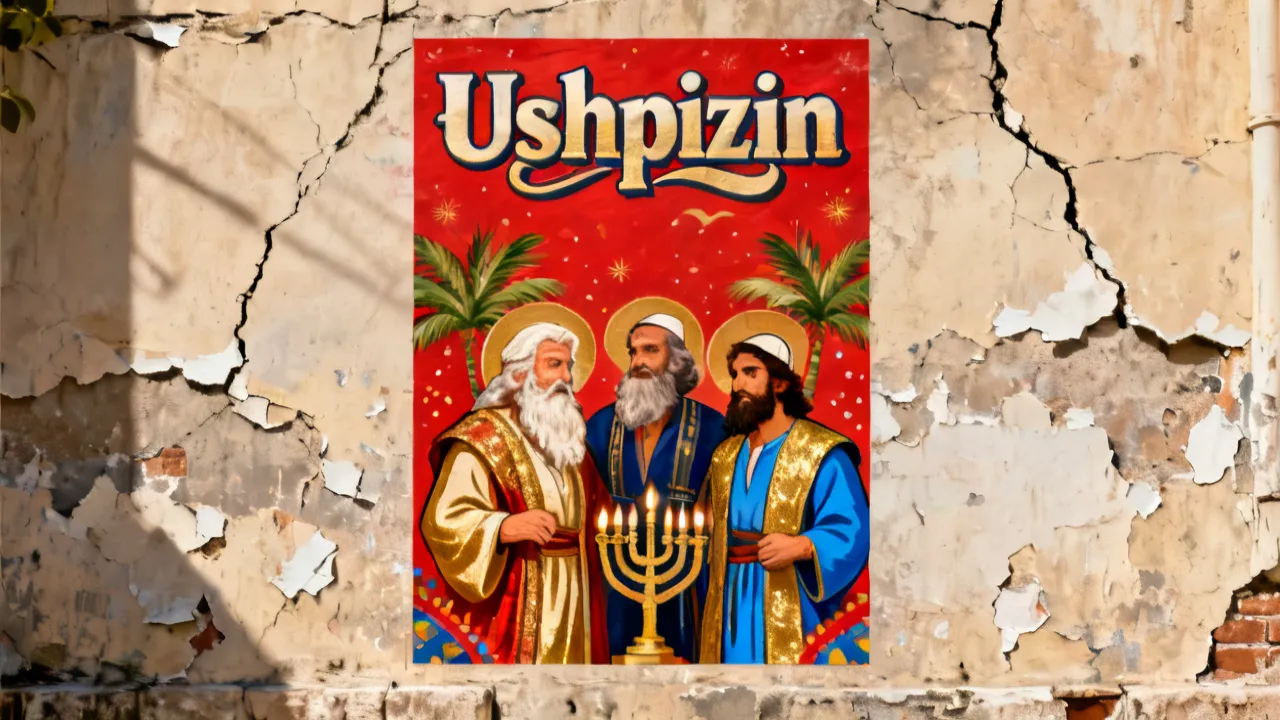
Exploring the Significance of Ushpizin Posters
Ushpizin posters are an artistic representation significant to the Jewish festival of Sukkot. These posters reflect the welcoming of symbolic guests into a sukkah, embodying themes of hospitality and spiritual contemplation. This article delves into their historical roots, cultural importance, and evolving artistic expressions, providing a thorough understanding of their role in the festival and society.
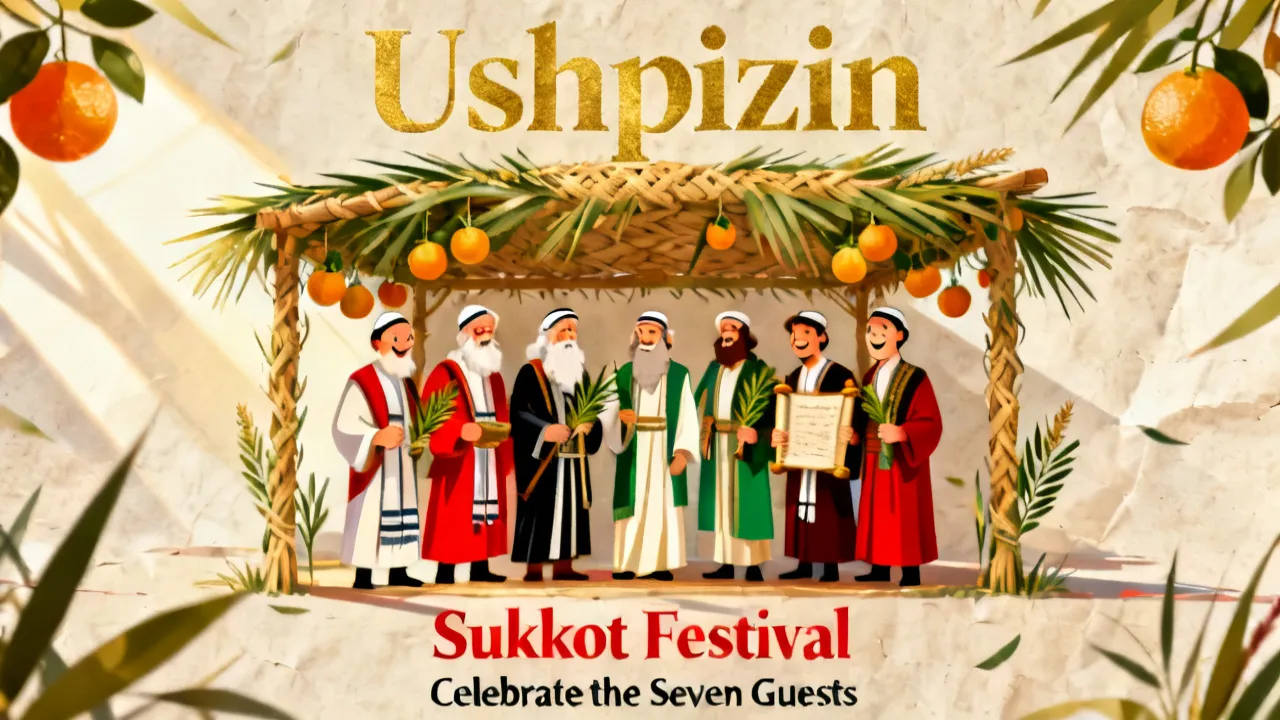
Understanding Ushpizin Poster Significance
The Ushpizin poster holds a special cultural significance during the Jewish festival of Sukkot. This religious tradition involves welcoming the symbolic guests—known as Ushpizin—into the sukkah, a temporary hut constructed for the celebration. By extending hospitality to these esteemed figures, communities embrace core values of kindness and remembrance within Jewish heritage.